
Russia-Africa Summit: Traditional Ashanti Kente on Display in Moscow
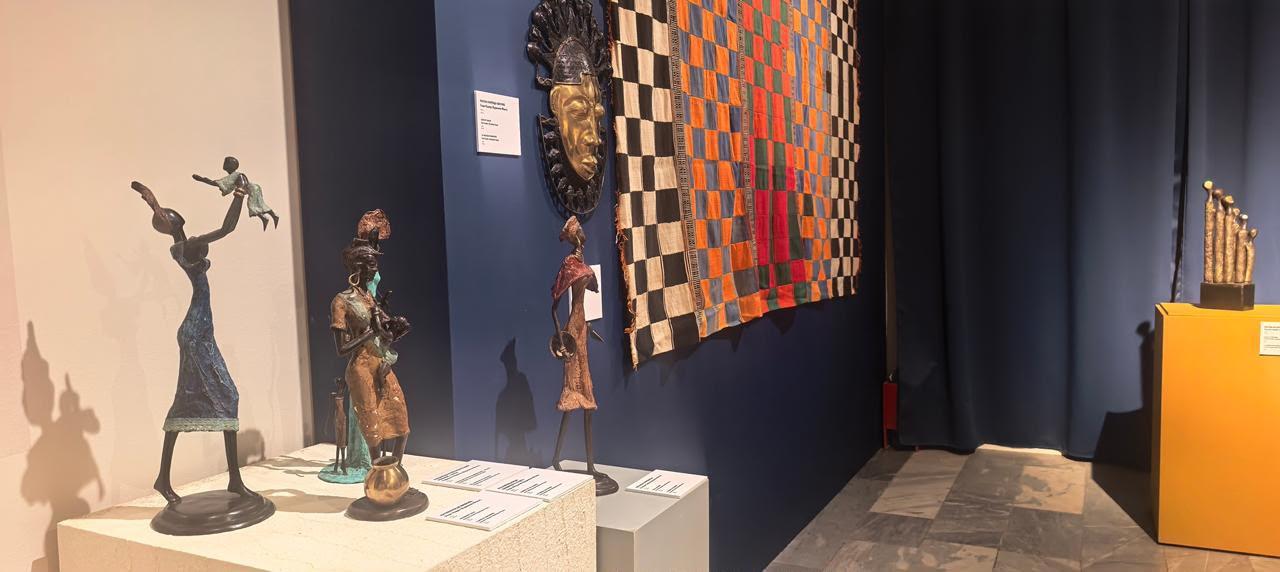
An exhibition at the All-Russian Decorative Art Museum introduced Moscow visitors to Ghana's Kente cloth and the bronze art of Burkina Faso, as part of the cultural programme of the third Russia–Africa Summit.
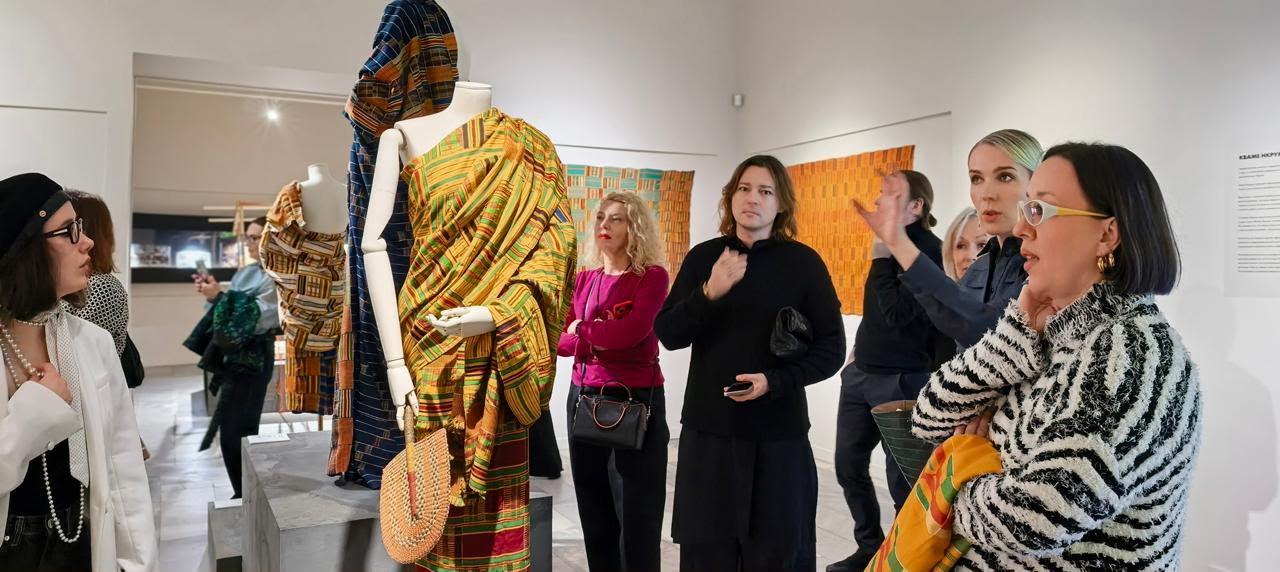
From 15 October to 1 November, an exhibition dedicated to the traditional art of the African continent was held at the All-Russian Decorative Art Museum in Moscow. It introduced visitors to a cultural phenomenon of Ghana—Kente fabrics—and also presented the bronze art of Burkina Faso. Broadly highly selected African artworks and fabrics were on display, attracting tremendous number of visitors, coming from various walks of life, to enjoy the world of African culture organised as part of the Russia-Africa Summit 2026.
There were other related special events, including African music, dance, beauty show, arts, modelling, and several cultural side attractions of the uniqueness portraying Africa. It was obvious that the grand cultural programme was primarily designed to bring Africa closer to Russia. Noticeable to experience visitors’ interaction in the most joyous atmosphere.
Kente cloth is a hand-woven silk and cotton textile native to Ghana, traditionally created by the Asante, Akan, and Ewe peoples. Origin and Production: the name comes from the Asante word kenten, meaning “basket,” because of the fabric’s basket-like woven patterns. Weaving: Made by men on narrow horizontal looms in strips about four inches wide, which are then hand-sewn together into larger garments. Traditionally centered in Ghanaian towns like Bonwire and Adawomase in the Ashanti Region.
Colors and Symbolism: Each color and geometric pattern in kente cloth carries a specific philosophical, political, or spiritual meaning: Gold / Yellow: Royalty, wealth, and high status. The meaning and implications of the colors as follows: Red: Political and spiritual passion, sacrifice, or grief; Green: Growth, harvest, and energy; Blue: Peace, harmony, and love; Black: Maturity, ancestry, and spiritual reflection.
Cultural Significance: Royalty and Ceremonies: Historically worn exclusively by kings, queens, and state leaders during major ceremonies. Pan-African Symbol: Promoted by Ghana’s first president, Kwame Nkrumah, after independence in 1957 to symbolize African heritage and unity, as explored through archives at MoMA. Its Global Use: Frequently worn in the African diaspora, during cultural holidays like Juneteenth and Kwanzaa, and as academic graduation.
The Ghanaian Kente on display, particularly drew visitors curiosity and attraction, with curators demonstrated how to dress up with cloth, in different forms and styles. It gives an idea for any possible business enterprise for any person interested in Ghana. The Kente is a traditional wear in Ghana, especially for Royal family, and also during cultural festivals. Today the Kente technology has provided wide possibility for exports to the United States and Europe.
The organisers have expressed gratitude for the sponsors. The Ghanaian, in particular, and the African culture have been brought to Russians. The special ‘Kente show’ indicated the complete success for both the sponsors and organisers. The exhibition is part of the 4th International Festival of African Culture and Cinema “Africa. Together into the Future”, timed to coincide with the cultural programme of the third Russia–Africa Summit late October 2026. The exhibition is supported by the Center for Public Diplomacy, the Embassy of Burkina Faso, the Ministry of Foreign Affairs of the Republic of Ghana and the Ghana Investment Promotion Centre. (Source: Buziness Africa)